Buffalo vs Cow Leather: Which Is Better for Briefcases? (November 2026)
Cow leather is often the easier briefcase choice for a lighter, smoother finish, while buffalo leather suits buyers who like a more pronounced grain. The hide, finish, thickness and construction matter as much as the animal source.
On this page (7 sections)
- Buffalo vs cow leather: which looks different?
- Which leather makes a lighter briefcase?
- Which is more durable for daily office use?
- How do buffalo and cow leather compare in weight and feel?
- How does the leather finish affect your choice?
- What should you check before buying a leather briefcase?
- Which should you choose for your briefcase?
Cow leather is often the easier briefcase choice for a lighter, smoother finish, while buffalo leather suits buyers who like a more pronounced grain. The hide, finish, thickness and construction matter as much as the animal source.
That short answer has an important limit: a buffalo briefcase is not automatically heavier or tougher than a cow leather one. A thin, lightly lined buffalo bag can weigh less than a thick, structured cow leather briefcase.
Compare the actual bag's weight, panel thickness, grain, lining and hardware. If you want to understand the material itself first, start with what buffalo leather is.
 Best for a buffalo leather example
Nohma Leather Buffalo Leather Rifle Gun Sling
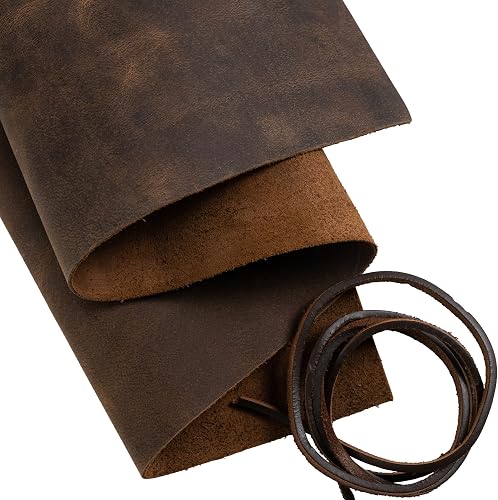 Best for seeing buffalo grain
Moonster Full-Grain Buffalo Leather Sheet 12x24
Buffalo vs cow leather: which looks different?
Buffalo leather often has a more noticeable, uneven grain, while cow leather can look smoother or more uniform depending on the hide and finish. Grain varies between hides, so use photos of the actual briefcase rather than relying on the animal name alone.
Some buffalo leather has a distinctive surface that gives a bag a casual, textured look. Cow leather ranges from smooth and even to visibly grained, depending on how it was selected and finished.
Full-grain is a separate detail from animal type. It describes leather that keeps its natural grain surface, so what full-grain leather means on a briefcase can help you compare construction terms on buffalo and cow bags.
Will the grain change as the bag ages?
Both types can show wear and changes in color over time, but the result depends on the finish and care. Scratches, rubbing and exposure to moisture can affect any leather briefcase.
Some pull-up or distressed finishes show lighter or darker areas when bent or rubbed. A smooth finish may show scuffs differently, but no leather finish makes a briefcase immune to marks.
Think about how you use a work bag. If you want a more uniform look, inspect close-up photos for natural marks and color variation; if you like a lived-in appearance, a textured or distressed finish may suit you.
Which leather makes a lighter briefcase?
The material label alone can't tell you which briefcase will feel lighter; compare the finished bag's weight and its construction. Thickness, size, lining, dividers, laptop padding, zippers and metal fittings all add weight.
A large buffalo briefcase with reinforced panels may weigh more than a compact cow leather bag. A thick cowhide briefcase with a padded laptop section may also outweigh a simpler buffalo design.
Look for a published weight for the exact model. If none is given, check whether the bag has a heavy lining, multiple compartments or metal feet, then decide whether those features justify the extra carry.
Does a thicker hide mean a better bag?
Not by itself. A thicker panel may feel more substantial, but it can also make the bag heavier and less flexible.
Briefcase design balances structure and carry comfort. Reinforced corners and a firm base can help a bag hold its shape, while a flexible body may be easier to carry under an arm or fit into tight spaces.
Check how the manufacturer describes the leather and inspect details such as seams, handle attachments and base construction. Those details help you judge whether the overall bag suits daily work.
Which is more durable for daily office use?
Both buffalo and cow leather can work for regular office carry, but durability depends on the hide, finish, stitching and how you load the bag. Neither animal type alone guarantees a longer-lasting briefcase.
A briefcase faces repeated stress at the handles, corners, zipper ends and shoulder strap anchors. Those areas may matter more in daily use than a small difference in grain texture.
Check close-up photos of the handle attachments and seams. If you carry a laptop and heavy files, look for a firm base, reinforced handles and a strap connection that matches the bag's intended load.
Don't treat a seller's broad durability language as a lifetime guarantee. Choose a bag with construction details you can inspect and care for it according to its specific instructions.
How do buffalo and cow leather compare in weight and feel?
Buffalo can feel more textured, while cow leather may feel smoother, but thickness and tanning can change both impressions. Touch and appearance vary by finish, so a photo or hide label cannot describe every briefcase.
If you can inspect a bag in person, handle the empty briefcase and open it. Notice whether the panels bend easily, whether the handles feel comfortable and whether the body keeps its shape without contents.
If you're shopping online, compare dimensions and weight with a bag you already own. A stated leather type is useful, but it won't predict how a fully lined, padded briefcase feels on your shoulder.
For a small material reference, the full-grain buffalo leather sheet and the cowhide leather sheet illustrate different craft materials. These are not finished briefcases, so use the bag's own weight and construction to make your choice.
How does the leather finish affect your choice?
The finish can change the look and care needs as much as the hide source does. Ask whether the leather is smooth, distressed, oil-tanned or coated, then follow care instructions for that finish.
Full-grain and top-grain refer to how the hide's grain layer is used. They don't tell you whether the leather came from a buffalo or a cow, and they don't by themselves describe the bag's thickness or weight.
A top-grain cow leather briefcase may have a more even surface, while a full-grain buffalo bag may show more natural variation. Either description still leaves room for differences in color, texture and treatment.
If you're also weighing leather against a synthetic fabric, compare how each bag handles rain exposure, cleaning and daily scuffs. This guide to nylon and leather briefcases in daily use covers that separate material choice.
What should you check before buying a leather briefcase?
Choose by the finished bag's carry weight, fit, construction and care needs, then use hide type and grain to narrow the style. That order keeps a texture preference from overriding practical needs.
Measure your laptop and any documents you carry, then check the bag's internal dimensions. A briefcase that has the right leather but cannot fit your work gear won't be useful.
Look at the bag's opening, handles, strap anchors and compartments. A gusset can affect how much the bag opens and how much it can hold, so see what a gusset does on a briefcase if capacity is part of your decision.
Our score weighs specs, features and buyer feedback against what you're shopping for. The products below are material examples rather than briefcase recommendations, since they are leather craft pieces and an accessory.
| Product | Best for | Material | Width | Adjustable length | Our score |
|---|---|---|---|---|---|
| Nohma Leather Buffalo Leather Rifle Gun Sling | a buffalo leather example | Buffalo hide leather | 1 in | 30 to 42 in | 9.7 |
| Moonster Full-Grain Buffalo Leather Sheet 12x24 | seeing buffalo grain | 9.6 | |||
| RingSun 12''X24'' Genuine Leather Sheets for Crafts | a cowhide comparison | Full-grain cowhide leather | 9.5 | ||
| REED Leather Hides Cow Skins | a softer cowhide example | Cow leather | 9.2 |
Which should you choose for your briefcase?
Choose buffalo leather if you prefer a more pronounced grain and the specific bag's weight and construction suit your commute. Choose cow leather if you want a wider range of finishes to compare and find a bag with the right feel and build.
Don't decide from the hide name alone. Check whether the leather is full-grain or top-grain, how thick the panels are, what the finished bag weighs and how its handles and seams are reinforced.
If you want a textured option to compare, browse buffalo leather briefcases. For a smoother finish, compare top-grain leather briefcases, then choose by fit, finish and carry comfort.
Sources:
- No external product or material claims are used beyond the supplied product details and the stated comparison criteria.
Frequently asked questions
Is buffalo leather better than cow leather for a briefcase?
Neither is always better. Buffalo leather often appeals if you want a more visible grain, while cow leather gives you a broad range of finishes and constructions to compare.
Look at the specific hide, thickness, finish, stitching and bag weight before choosing.
Is buffalo leather heavier than cow leather?
The animal source alone doesn't tell you which briefcase will weigh more. Hide thickness, bag size, lining, pockets, hardware and reinforcement all affect carry weight.
Compare the finished briefcase's weight and construction, not just a buffalo or cow label.
Does full-grain mean buffalo leather?
No. Full-grain describes the part of the hide and whether its natural grain surface remains, while buffalo and cow identify the animal source.
You can find full-grain leather from either, so check both the grain description and the hide type.
Which leather is easier to care for?
Care depends more on the finish and maker's instructions than on whether the hide came from a buffalo or cow. Keep leather dry, remove dust with a soft cloth, and use only care products suited to that finish.
Test any conditioner on a hidden area first.


