Briefcase vs Office Bag: Which Should You Carry to Work? (November 2026)
Choose a briefcase for a structured shape and a focused work load; choose an office bag for flexible storage and everyday items. The right briefcase vs office bag depends on what you carry, how you commute and how much organization you need.
On this page (7 sections)
- Briefcase vs office bag: what is the main difference?
- Which bag works better for a laptop and documents?
- How much can each style carry?
- Which carrying style suits your commute?
- How do shape and construction affect daily use?
- How do you choose a briefcase or office bag for work?
- Briefcase vs office bag: which should you carry to work?
Choose a briefcase for a structured shape and a focused work load; choose an office bag for flexible storage and everyday items. The right briefcase vs office bag depends on what you carry, how you commute and how much organization you need.
The terms overlap. A briefcase is one kind of office bag, while office bag can also mean a messenger style bag or work tote.
For a laptop and a small set of work essentials, a slim briefcase can keep everything close together. If you also carry a bottle, books or personal items, a roomier office bag may be easier to use.
 Best for a slim laptop load
Targus 15-16 Inch Slim Lightweight Laptop Briefcase

Briefcase vs office bag: what is the main difference?
A briefcase usually has a defined work focused shape; an office bag is a wider category that includes more flexible designs. Think about the bag's construction and layout instead of relying on its name.
Traditional briefcases often have a rectangular form and a top handle. Some include a shoulder strap, a separate document area and a fitted laptop compartment.
Office bags can have that same briefcase shape, or use a softer tote or messenger style. Those designs may give you a larger main compartment or a different way to carry the bag.
The name alone doesn't tell you how protective or organized a bag will be. Check for a padded laptop space, secure closure, useful pockets and a carry method that suits your commute.
For a closer look at rigid, soft and other briefcase constructions, compare the way each shape holds its contents and fits your routine.
What counts as an office bag?
An office bag is any bag you use to carry work items, such as a laptop, documents, chargers and stationery. That broad label can describe a briefcase, messenger bag or tote.
A tote may have a large central area for a mixed load. A messenger bag is usually carried across the body, while a traditional briefcase tends to keep its contents in a more defined shape.
The exact interior matters more than the label. Look at whether your papers lie flat, your laptop has its own space and small accessories stay easy to find.
Which bag works better for a laptop and documents?
Choose the bag with a separate padded laptop compartment and enough space for your papers to lie flat. A briefcase often groups those items neatly, while an office tote can add room for a wider mix of essentials.
A laptop compartment should fit your device's measurements, not just its screen size. Compare the internal space with your laptop's width, depth and thickness before choosing.
For example, the Targus briefcase has a foam padded compartment for most laptops up to 16 in, plus larger pockets for files and smaller slots for items such as a notepad or power bank. Its slim shape works best when your daily load stays fairly focused.
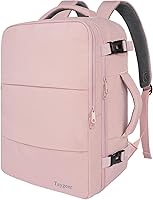
The Taygeer has a padded compartment for laptops up to 15.6 in, with interior and exterior pockets for documents, cables and smaller items. Measure your laptop against the compartment before deciding on fit.
If you're comparing a briefcase with another compact work style, see how a briefcase differs from a messenger bag. The strap position and opening style can affect how quickly you reach your laptop or papers.
How much can each style carry?
A slim briefcase suits a compact work load, while a roomy tote can handle more mixed items. Choose based on what you carry on an ordinary workday, not the occasional extra item.
A narrow profile can help keep papers and a laptop together without carrying unnecessary space. It can feel cramped, though, if you add lunch, a water bottle, books or personal items.
The LOVEVOOK tote has an 18-liter capacity, a separate laptop compartment for laptops under 15.6 in and space for documents, books and gadgets. Its interior includes a pocket for a bottle, while a zip top closes the main compartment.
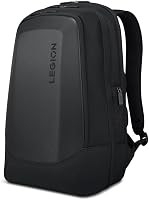
The Lenovo T210 offers an integrated laptop compartment for most laptops up to 15.6 in, internal accessory pockets and a main compartment for books or other items. At 0.96 lb, it is the lightest option here by stated weight, but you'll still need to account for the weight of everything you add.
Check the bag's dimensions and capacity together. Two bags that fit the same laptop can differ in how easily they hold papers, cables and a bottle.
Which carrying style suits your commute?
Choose handles for short carries and a shoulder strap for longer walks or hands free movement. A luggage strap can help if your commute includes a rolling suitcase.
Briefcases often offer a top handle with an optional shoulder strap. Some office bags give you a shoulder strap, handles or both, so you can switch how you carry them through the day.
A bag that looks compact when empty may feel different once packed. Try to keep the heaviest items close to your body and avoid overloading a single shoulder.
The Targus briefcase includes a padded grab handle, an adjustable padded shoulder strap and a rear trolley strap. The Taygeer offers a handle, detachable shoulder strap and luggage strap, while the Lenovo T210 can be carried by its handles or shoulder strap.
If you use a backpack for part of your commute, our backpack vs briefcase comparison covers how weight distribution and access differ. The best option depends on your route and what you need to reach along the way.
How do shape and construction affect daily use?
A more structured bag helps keep its shape; a flexible bag can adapt to a varied load. Neither construction is automatically better, so match it to the items you carry.
A defined briefcase shape can help papers stay arranged and make the bag look tidy beside a desk. Check its base, seams, closure and handle attachments if you'll carry it every day.
A soft-sided office bag may be easier to pack around irregular items. It can also sag when underfilled, so check whether its base and sides hold the shape you prefer.
The briefcase gusset guide explains how side panels affect a bag's depth and expansion. This can help you judge whether a briefcase gives enough room for a laptop and a thicker stack of files.
Materials also affect care and appearance. The Targus uses polyester with a coated bottom, the Taygeer uses water resistant nylon fabric, the Lenovo has water repellent fabric, and the LOVEVOOK tote uses water resistant PU leather.
Water resistance doesn't mean a bag is waterproof. If your commute includes steady rain, compare closures and weather coverage in our waterproof laptop bag guide.
How do you choose a briefcase or office bag for work?
Pick the bag that fits your device, carries your usual load and feels manageable on your route. A few measurements and a short item list can make the decision clearer.
Measure your laptop and the papers or notebook you carry most days. Then note bulky extras, such as a bottle, charger, lunch container or headphones.
Consider where the bag goes when you arrive. A structured briefcase may sit neatly beside a desk, while a tote can be easier to open and pack when you carry mixed items.
The best Samsonite briefcases guide offers another example of traditional briefcase options. Compare its shapes and storage with the flexible office bag styles you are considering.
Choose the Targus if you want a slim briefcase with a padded compartment and travel strap. Choose the LOVEVOOK tote if you need more capacity for work and personal items, or compare the Taygeer and Lenovo if you want a laptop bag with a shoulder carry option.
Briefcase vs office bag: which should you carry to work?
Choose a briefcase for a compact, organized laptop and document load; choose a flexible office bag when you carry more varied items. Match laptop fit, capacity, closure and carry style to your commute.
If your workday centers on a laptop and papers, start with a briefcase layout. If you need room for a bottle, books and personal essentials, a tote style office bag may fit better.
Frequently asked questions
What is the difference between a briefcase and an office bag?
A briefcase usually has a defined shape and a work focused layout for items such as a laptop, papers and small accessories. Office bag is a broader term that can include briefcases, messenger bags and work totes, with more flexible shapes and storage.
Compare the opening, compartments and carry style.
Is a briefcase better for carrying a laptop?
A briefcase can suit laptop carry when it has a separate padded compartment sized for your device. Check the compartment's internal measurements, since a bag's advertised laptop size alone may not guarantee a fit.
A flexible office bag can also work if it secures the laptop and keeps it apart from other items.
Can an office bag look professional?
Yes. A clean design, secure closure and organized interior can look appropriate for work, whether the bag is a structured briefcase or a tote.
Match the shape and material to your workplace, then check that the bag keeps your laptop and papers tidy during the commute.
Should I choose a briefcase or a tote for work?
Choose a briefcase if you carry a laptop, documents and a few accessories in a compact layout. Choose a tote if you need more open capacity for items such as a bottle, books or personal essentials.
Measure your laptop and consider how the bag feels when fully loaded.