Backpack vs Briefcase: Which Should You Carry to Work? (November 2026)
Choose a backpack for a longer commute or heavier load, and a briefcase for a more formal look and quick hand access. Your route, work clothes and daily carry matter more than the bag category alone.
On this page (7 sections)
- Backpack vs briefcase: which is better for work?
- Which bag is more comfortable for a daily commute?
- Which bag gives you faster access to work items?
- Which looks more professional at work?
- How much should you carry each day?
- What should you choose for a laptop and documents?
- How should you decide between a backpack and briefcase?
Choose a backpack for a longer commute or heavier load, and a briefcase for a more formal look and quick hand access. In this backpack vs briefcase article, the best choice depends on your route, work clothes and what you carry each day.
A backpack keeps both hands free and spreads its load across two shoulders. A briefcase is usually easier to open while standing and can look more traditional with formal workwear.
Neither style is right for every commute. Compare comfort, access, organization and appearance before choosing a bag.

 Best for organized laptop carry
Taygeer Travel Laptop Backpack for Men
Backpack vs briefcase: which is better for work?
A backpack is usually better for walking and transit; a briefcase often suits lighter loads and formal offices. The bag that works best is the one you can carry comfortably and use without slowing down your route.
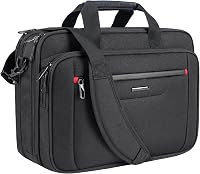
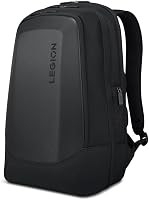
A backpack with padded shoulder straps can distribute weight across both shoulders. A briefcase normally hangs from one hand or one shoulder, so a heavy load may feel uneven during a long walk.
Access can favor a briefcase. You can hold it in front of you and open the main compartment without taking it off, while a backpack usually needs to come off your shoulders for full access.
Appearance varies by design. A slim, plain backpack can look tidy with business casual clothes, while a structured briefcase may better match a suit or a conservative dress code.
Which bag is more comfortable for a daily commute?
A backpack tends to be more comfortable when you walk far or carry several items. A briefcase can feel simpler for a short trip with a laptop and a few documents.
The difference comes from how each bag rests on your body. Two shoulder straps spread the load, while a briefcase handle concentrates it in one hand unless you switch sides or use its shoulder strap.
Think about the entire route, not only the walk from the car to your desk. Stairs, bus transfers and crowded platforms make hands-free carrying useful.
What should you carry in a work backpack?
A work backpack suits commuters who carry a laptop, charger, lunch, water bottle and personal items. The extra space can help keep these items separate, but an oversized bag is easy to overfill.
The Taygeer Travel Backpack for Women has padded adjustable shoulder straps and padded handles, plus a laptop compartment for devices up to 15.6 in. Its three main compartments and nine inner and side pockets can help separate daily items.
The Taygeer Travel Laptop Backpack for Men also has a laptop compartment for devices up to 15.6 in, along with padded shoulder straps and handles. Its three main compartments and nine pockets suit a commuter who wants separate spaces for work and personal items.
When does a briefcase feel easier to carry?
A briefcase can be convenient for a short commute when your load stays light. Its handle gives you a direct grip, and you can carry it at your side without adjusting shoulder straps.
That convenience has limits if you walk several blocks or carry heavy items. A long stretch with a bag in one hand can tire your arm, and a shoulder strap may shift or press into one side.
Check the bag's handle and shoulder strap, if it has one. A briefcase with a comfortable strap gives you another carrying option, but it still won't distribute weight across both shoulders like a backpack.
Which bag gives you faster access to work items?
A briefcase often offers quicker access to papers; a backpack works well when you can pause to take it off. Your commute's pace and the items you reach for most should guide the decision.
Briefcases often open across the top or along a front panel. That can make a folder, notebook or laptop easier to reach while the bag sits beside you.
Backpacks may have several compartments, but those pockets only help when you can find and reach them. If you need your laptop several times on the way to work, look for a backpack with a dedicated laptop compartment and a zipper you can open easily.
Construction affects access too. Compare different briefcase constructions and how they work to understand how a bag's shape and opening affect what fits and how you reach it.
The term briefcase can cover several shapes and layouts. A gusset on a briefcase adds depth, which can make room for bulkier items while changing how slim the bag sits when carried.
Which looks more professional at work?
A structured briefcase often looks more formal, while a simple backpack can suit business casual settings. Check your workplace's dress norms before you decide based on general ideas about professionalism.
A briefcase's shape and handle can pair naturally with a suit or formal office clothing. Leather or another polished material may reinforce that look, though material alone doesn't make a bag appropriate for every workplace.
A backpack can look work-ready when it has a simple profile, restrained colors and little extra trim. A large travel pack may look out of place in a formal meeting, even if it carries everything you need.
If colleagues already use backpacks, that is a useful clue about office expectations. Our guide to whether people still use briefcases explores where briefcases remain common and how work habits have changed.
How much should you carry each day?
Choose the bag that fits your regular load without tempting you to carry items you don't use. A larger capacity is helpful only when the contents have a reason to be with you.
Start with the items you take to work every day: laptop, charger, notebook, lunch and keys. Add occasional items separately so you don't size the bag around a rare need.
A backpack may encourage you to add a water bottle, jacket or extra accessories. That flexibility can be useful, but extra weight makes the commute harder.
A briefcase can set a natural limit because it has less room for casual extras. If you carry only a laptop and documents, that smaller shape may help you keep the load focused.
For a different hand-carry option, compare a briefcase vs office bag to see how their size and structure fit a workday.
What should you choose for a laptop and documents?
Choose a bag with a laptop space that fits your device and a separate way to protect papers. Check the actual compartment dimensions when your laptop is close to the bag's stated limit.
A briefcase often keeps a laptop and papers close at hand, especially if it has divided sections. A backpack can separate the laptop from the main compartment, but papers may need a folder to stay flat.
The Taygeer backpacks listed here fit laptops up to 15.6 in, according to their stated capacity. Confirm your laptop's size and account for any protective case before choosing one.
If your work requires frequent visits with medical equipment or files, the bag's access and capacity matter alongside its appearance. See our guide to briefcases for doctors for a work-specific hand-carry perspective.
How should you decide between a backpack and briefcase?
Pick a backpack if you walk far, use transit or carry several items; pick a briefcase if you carry a lighter load and want a more formal look. Try the bag with your usual items and think through your full commute.
A backpack's two shoulder straps and multiple compartments can suit a laptop-heavy day. The Taygeer Travel Backpack for Women and Taygeer Travel Laptop Backpack for Men both offer padded straps, handles and a laptop compartment.
A briefcase is a practical fit when quick document access and a structured appearance matter most. If your commute is short and your daily carry is light, that balance may outweigh the benefit of hands-free carrying.
For a backpack-focused comparison, read GORUCK GR1 vs GR2. Choose based on the way you commute and work, not on a bag label alone.
Frequently asked questions
Is a backpack or briefcase better for commuting?
A backpack usually suits longer walks, public transit and heavier loads because both shoulders can carry it and your hands stay free. A briefcase can suit a short door-to-door commute or a lighter load, especially when you want quick access to papers.
Try the loaded bag on your usual route before deciding.
Does a briefcase look more professional than a backpack?
A structured briefcase often reads as more formal, especially with business clothing or in traditional offices. A plain, compact backpack can still look neat in many workplaces.
Match the bag's shape and material to your dress code, and avoid overstuffing either one.
Can a work backpack carry a laptop and papers?
Yes, many work backpacks have a laptop compartment and separate pockets for smaller items, while larger papers can go in a main compartment. Check the laptop compartment's stated size limit and compare it with your device.
Keep documents in a folder so they don't bend among other items.
When should you choose a briefcase over a backpack?
Choose a briefcase when a formal appearance, easy access to documents or a compact hand carry matters more than hands-free comfort. It can work well for a short commute with a laptop and a few papers.
If you walk far or carry heavier items, test the handle or shoulder strap with your full load.
Are backpacks acceptable in an office?
Backpacks are acceptable in many offices, but the right choice depends on workplace norms and how you dress. A clean, simple design tends to blend in more easily than a bulky travel pack.
If your office expects formal business wear, a structured briefcase may fit better.