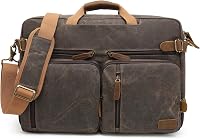
How to Choose a Messenger Bag Sewing Pattern
Choose a messenger bag pattern that matches the size you need, the fabric you plan to use and your current sewing skill. A pattern with a flap, crossbody strap and simple pockets suits a first bag, while a laptop version needs padding and hardware you can handle.
On this page (12 sections)
- How does a messenger bag pattern differ from a briefcase pattern?
- What size should your messenger bag pattern be?
- Which messenger bag pattern suits your sewing skill?
- What fabric should you use with a messenger bag pattern?
- How should you read a messenger bag pattern before you buy it?
- What pockets should a messenger bag pattern include?
- How should a messenger bag pattern handle the strap?
- Does your messenger bag pattern need laptop padding?
- What hardware does a messenger bag pattern need?
- How should you test a messenger bag pattern before cutting good fabric?
- Which finished messenger bags show the right pattern goals?
- What is the best way to choose a messenger bag pattern for your next project?
Choose a messenger bag pattern that matches the size, fabric and sewing skills you already have. A simple flap bag in canvas suits a first project, while a padded laptop bag needs more structure and hardware.
Our team compared finished bags to see what the patterns need to copy. We checked sizes, straps, pockets and materials to help you picture the result before you cut fabric.
If you want the finished shape first, start with our messenger bag guide. It shows the common sizes and layouts that a pattern should match.
How does a messenger bag pattern differ from a briefcase pattern?
A messenger bag pattern usually has a soft body, a long crossbody strap and a flap that covers the top. A briefcase pattern usually has firmer panels, top handles and a more upright shape.
That shape change affects your fabric choice and sewing order. A soft messenger body can use canvas or twill, while a briefcase pattern often needs stiff panels and structured edges.
You can see the finished style difference in How Does a Briefcase Differ from a Messenger Bag?. Read it before you pick a pattern based on looks alone.
A messenger pattern also puts more force on the strap joins. The strap must hold the full weight of the bag at one shoulder, so check how the pattern reinforces those points.
Pick a messenger pattern for a soft crossbody bag, not a rigid briefcase shape. If you need top handles and a firm rectangular body, choose a briefcase pattern instead.
What size should your messenger bag pattern be?
Choose the finished size around what you will carry every day, not the largest item you carry once a month. Measure your laptop, tablet, folders and water bottle before you select a pattern.
A small pattern suits keys, a wallet, a phone and a paperback. A medium pattern adds a tablet, notebook and a small work pouch.
A large pattern must fit your laptop with room for its case.
The GOOTIUM Canvas Messenger Bag shows a compact everyday size. It measures 11.2 in long by 3.4 in wide by 9 in high and weighs 1.1 lb.
That size fits an iPad up to 9.7 in and A4 or foolscap folders, textbooks and magazines in its main compartment. A pattern that small needs a shallow depth and pockets that do not steal main space.
For a larger laptop, compare the Targus model below. Its 16.75 x 12.8 in footprint shows how much bigger a laptop pattern must be.
Choose the pattern by your largest daily item plus its case. If your laptop will not fit with padding, the pattern is too small no matter how good the style looks.
Which messenger bag pattern suits your sewing skill?
Pick a pattern that matches the hardest step you can already sew well. Skill matters more than the finished look, because a hard pattern made in the wrong fabric often fails at the flap or strap.
Beginner patterns with simple construction
A beginner pattern has a flat body, one flap and basic pockets. It uses straight seams, a single strap and one type of closure.
Look for a pattern that lets you sew the lining and outer shell as simple rectangles. Avoid a pattern that needs a zipper pocket, boxed corners and stiff panels on your first try.
Canvas helps a beginner because it holds shape and shows your seam lines. A light lining makes the inside easier to manage while you learn the order of assembly.
Intermediate patterns with pockets and hardware
An intermediate pattern adds zip pockets, a slip pocket and a strap adjuster. You will need to sew corners, set hardware and join thicker layers at the strap.
This level suits you if you have made a tote or simple purse before. You can handle a few extra steps without the bag shape suffering.
Advanced patterns with laptop padding
An advanced pattern adds a padded laptop sleeve, foam or batting, multiple compartments and reinforced joins. It needs careful measuring and stronger hardware.
Choose this level only if you have sewn structured bags before. Padding that shifts during sewing can make the laptop fit too tight.
Start one skill level below the fanciest pattern you like. A clean simple bag you finish will serve you better than an unfinished complex bag.
What fabric should you use with a messenger bag pattern?
Use a fabric that matches the structure the pattern expects. Canvas, denim and twill support a soft messenger body, while coated fabric and leather need different needles, feet and patience.
The GOOTIUM bag uses high-density canvas with a garment wash for a softer touch. That choice gives a rugged look without the stiffness of a hard-sided bag.
Canvas is forgiving for a first messenger pattern because it does not slip much and it holds a flap shape. Heavier canvas needs a strong needle and it can be hard to turn corners cleanly.
Lining fabric should be close in weight to the outer fabric. A light lining in a heavy shell can pucker, and a heavy lining in a light shell can drag the bag out of shape.
Leather and faux leather need a different skill set. If you want that look, read our guide to the best leather laptop messenger bag before you buy leather for a pattern.
Choose canvas or twill for a first pattern, and add interfacing only where the pattern calls for it. Extra stiffness in the wrong place can make a soft bag feel bulky.
How should you read a messenger bag pattern before you buy it?
Read the full pattern details before you pay for it. Check the finished size, fabric list, hardware list and skill level on the same page.
A good pattern page states the finished width, height and depth after sewing. It also lists fabric yardage for outer fabric, lining, interfacing and webbing.
Check whether the pattern includes full-size pieces or requires printing and taping. A pattern that needs many taped pages takes more time and more chance for a size error.
Look for clear assembly steps and a diagram for the strap join. That join carries the bag weight, so a vague instruction there is a warning sign.
Check reviews for notes about sizing errors or missing pieces. Buyer comments can show whether the finished bag matches the stated size.
Buy the pattern only if its finished size and hardware list fit your plan. If the page hides size or yardage, choose another pattern with clearer details.
What pockets should a messenger bag pattern include?
Choose pockets around how you unpack the bag each day. Pockets that suit your routine will get used, while extra pockets can crowd a small bag.
A front slip pocket suits quick access to a phone or transit card. A zip pocket suits keys and small items you do not want to lose.
The Travelon Anti-Theft Classic Messenger Bag shows a fuller pocket layout. It has a front zip pocket, a rear zip pocket with RFID card and passport slots, and a main compartment with two drop pockets, a zip pocket and two water bottle pockets.
That bag measures 9 in wide by 12.5 in high by 3.5 in deep and weighs 1.10 lb. A pattern at that size can hold more pockets without losing main space.
A small pattern should not copy that layout pocket for pocket. Too many pockets in a shallow bag can make the main compartment hard to pack.
Water bottle pockets need depth and a fabric that can hold weight. If your pattern adds them, check that the outer fabric and seam allowance can support a full bottle.
Pick two or three pockets you will use daily, not every pocket a pattern offers. Remove the rest from your plan before you cut fabric.
How should a messenger bag pattern handle the strap?
Choose a strap design that spreads weight and joins the bag at reinforced points. A strap that looks simple can still fail if it hangs from an unreinforced seam.
A crossbody strap should adjust so the bag sits at your hip or waist. The Travelon bag has a strap drop of 18 to 30 in and a strap length of 54 in.
That range lets you wear the bag high for travel or lower for everyday use. A pattern should give you the same adjustment range.
Check whether the pattern uses webbing, fabric or a cable-reinforced strap. Webbing is easy to sew and adjust, while fabric straps need more careful turning and padding.
Swivel hooks make the strap removable and let you adjust length. D-rings and bar tacks at the join spread the load across more fabric.
If you plan to upgrade the strap later, our best replacement strap for purse guide shows what to check for fit. A replacement strap still needs hardware that matches your bag.
Choose a pattern with an adjustable strap and reinforced joins. Skip a pattern that sews a thin fabric strap straight onto a light seam.
Does your messenger bag pattern need laptop padding?
Add laptop padding only if the pattern was designed for a laptop. Padding added to a flat bag pattern will shrink the fit and can twist the seams.
A laptop pattern needs a padded sleeve, a compartment with enough depth and a closure that keeps the device from sliding out. It also needs pockets that do not press against the screen.
The Targus 15-16 Inch Slim Lightweight Laptop Briefcase shows the size a laptop bag needs. It measures 3.25 x 16.75 x 12.8 in and holds up to a 16 in laptop.
It has a foam padded laptop compartment for most 16 in laptops and smaller, plus larger pockets for files and smaller slots for a notepad and power bank. It also has a rear trolley strap and an adjustable padded shoulder strap.
That design shows why a laptop pattern must plan for padding, files and a trolley connection as separate needs. A simple flap pattern cannot copy all of that without a redesign.
If your laptop is larger than 16 in, this size will not work. Measure your laptop with its case before you choose any laptop pattern.
Use a laptop pattern only when you need a padded compartment and a proven fit. For a tablet, folders or everyday items, a standard pattern is simpler and lighter.
What hardware does a messenger bag pattern need?
Buy hardware after you read the pattern hardware list and measure your strap. The wrong size adjuster or hook will not fit webbing or D-rings.
A basic pattern needs a strap adjuster, two swivel hooks and a closure. A flap bag may use a buckle, magnetic snap or hook and loop.
A zip closure needs a zipper that matches the pocket or top opening. Measure the opening after you sew the bag body, then buy the zip to fit.
Brass or metal hardware gives a vintage look and holds up well. The GOOTIUM bag uses brass accents with wrapped binding and reinforced stitching at seams.
Metal hardware adds weight, so check the total weight you want to carry. A small bag with heavy buckles can feel heavier than its size suggests.
Plastic hardware is lighter and often easier for a first bag. If you choose plastic, check that the teeth and hooks match your webbing width.
Match every hardware size to the webbing and D-ring size the pattern states. Buy hardware last, after you measure the sewn bag, to avoid a poor fit.
How should you test a messenger bag pattern before cutting good fabric?
Make a test bag first with cheap fabric in the same weight as your final fabric. A test cut shows size, strap fit and pocket depth before you risk good material.
Cut the test bag in muslin or low-cost canvas and sew it with the same seam allowances. Use the same hardware if you can, so you can check hook and adjuster fit.
Pack the test bag with your daily items, including your laptop or tablet if you plan to carry one. Note where pockets crowd the main space or where the flap fails to cover the top.
Check strap length while you wear the test bag at home. Walk, sit and reach for items to see whether the bag bounces or twists.
Mark changes on the pattern pieces in pen, not mental notes. Adjust pocket depth, strap length or flap size before you cut the final fabric.
If you want to see which finished styles suit different users, read our best messenger bag for men guide. It helps you match the test bag to a real carry routine.
Sew a full test bag before you cut your final fabric. Size and strap changes are cheap to fix in a test bag and costly to fix in good fabric.
Which finished messenger bags show the right pattern goals?
Use finished bags as size and feature references for your pattern choice. A finished bag shows pocket layout, strap range and weight in a way a pattern sketch cannot.
The Travelon model is 9 x 3.5 x 12.5 in and weighs 1.10 lb, with locking zippers, slash-resistant mesh panels and RFID-blocking slots. A pattern that copies its security features would need extra layers and hardware.
The Targus model is 17 liters and measures 3.25 x 16.75 x 12.8 in, with polyester construction and a padded compartment. A pattern that copies its laptop fit needs the same depth and padding plan.
The GOOTIUM model is 11.2 x 3.4 x 9 in and weighs 1.1 lb, with canvas construction and brass accents. A pattern that copies its compact size needs a shallow body and fewer pockets.
Compare finished weight as well as size. A pattern that adds foam, zips and metal hardware will weigh more than a simple canvas version.
Set your pattern goal by matching one finished bag size and weight. That target keeps your fabric, padding and hardware choices honest.
What is the best way to choose a messenger bag pattern for your next project?
Choose a messenger bag pattern by size, fabric and skill in that order. Size decides what fits, fabric decides whether you can sew it, and skill decides which steps you can finish.
Pick a small canvas pattern for a first bag with a flap and one strap. Pick a medium pattern with two or three pockets if you carry a tablet and notebook daily.
Pick a padded laptop pattern only if it states your laptop size and includes foam, a sleeve and reinforced joins. Measure your laptop with its case before you buy that pattern.
Test the pattern in cheap fabric, pack it with your daily items and adjust the strap and pockets. Then cut your final fabric with the changes marked on the pieces.
A finished bag can guide your target, so keep our messenger bag guide open while you compare patterns. Match the pattern to the bag you actually want to carry.
Choose the simplest pattern that fits your daily load and your current skill. That rule will give you a bag you finish, enjoy and use every day.
Frequently asked questions
What skill level do I need for a messenger bag pattern?
A beginner messenger bag pattern should use straight seams, a simple flap and one strap with basic hardware. Choose a pattern without a zip insert, stiff panels or complex pockets for a first bag.
Move to a padded laptop pattern after you can sew a flat bag cleanly.
What fabric works best for a messenger bag pattern?
Canvas, denim and twill give a messenger bag shape without stiff stabilizer, so they suit many first patterns. Heavier canvas holds a flap well but needs a strong needle and more force to sew.
Use a lining fabric that matches the outer fabric in weight and care needs.
How much fabric does a messenger bag pattern need?
Fabric needs depend on bag size, pockets, lining and strap length, so read the pattern yardage before you buy fabric. Add extra fabric for mistakes, pattern matching and a test cut.
A small crossbody bag needs less fabric than a full laptop messenger bag.
Can I make a messenger bag pattern fit a laptop?
Yes, if the pattern includes a padded laptop compartment and enough depth for your laptop size. A flat pattern made for an iPad or folders will not safely hold a large laptop.
Check the finished inner size against your laptop before you choose a pattern.
What hardware does a messenger bag pattern need?
A basic pattern needs a strap adjuster, swivel hooks and a closure such as a flap buckle, magnetic snap or hook and loop. A laptop pattern may also need zips, D-rings and reinforced stress points.
Buy hardware after you measure the strap and check the pattern hardware list.