Do People Use Briefcases Anymore?
Yes, people still use briefcases, especially for office papers, laptop commutes, client meetings, and travel. They suit routines where a structured case and hand or shoulder carry work better than a backpack.
On this page (6 sections)
Yes, people still use briefcases, especially for office papers, laptop commutes, client meetings, and business travel. They suit routines where a structured case and hand or shoulder carry work better than a backpack.
The modern briefcase is often a slim laptop bag, but the basic purpose is familiar: keep work items together and easy to reach. Your commute, dress code, load, and preferred way to carry matter more than whether the bag looks traditional.
Do people use briefcases anymore for work?
Yes, briefcases remain useful for people who carry a laptop, documents, or meeting materials. They work well when you want separate spaces for work essentials and a case that can sit beside a desk or chair.
A briefcase can be a good fit for office workers, consultants, lawyers, doctors, sales professionals, and anyone who moves between meetings. For example, a doctor who carries files or equipment may want a case built around those needs; see our guide to best doctors briefcase for men.
The name now covers a wide range of bags, from slim padded laptop cases to more structured leather designs. To understand how those shapes hold their form, read what the different briefcase constructions do.
Why do briefcases still suit modern routines?
A briefcase keeps work gear organized and gives you quick access to documents and devices. Some have a single padded laptop compartment, while others add pockets for files, chargers, and smaller items.
The right amount of structure depends on what you carry. A structured case holds its shape, while an unstructured design is softer and may feel less formal; our guide explains what makes a briefcase structured or unstructured.
A briefcase can also be convenient when you travel with a roller bag. Some designs include a rear strap that slides over luggage handles, keeping the case together with your travel gear.
The Targus 15-16 Inch Slim Lightweight Laptop Briefcase has a polyester exterior, file space, a padded laptop compartment, smaller slots, and a rear document pocket. It offers a grab handle and adjustable shoulder strap, so you can carry it by hand or over a shoulder.
Measure your laptop and check the compartments against your daily load. A slim bag may not have enough room for bulky accessories or several thick folders.
When is a briefcase more useful than a messenger bag?
A briefcase suits you when you want a more structured work case with a professional look. A messenger bag usually has a more casual shape and a crossbody strap, which can be handy if you want the bag to stay close while walking.
The distinction isn't always sharp. Some laptop briefcases include a shoulder strap and can be carried much like a messenger bag, so compare the shape, opening, compartments, and strap position before choosing.
For a closer comparison of their everyday trade-offs, see how a briefcase differs from a messenger bag. If you're also considering a broader work bag, our briefcase vs office bag comparison explains where each option fits.
The Samsonite Leather Expandable Briefcase is made of genuine leather and has front pocket organization, a padded removable shoulder strap, and a SmartPocket that slides over upright luggage handles. Its body dimensions are 16.75 x 12.25 x 7.25 in.
That depth and expandable compartment may help when your workday includes both a laptop and extra papers. If you prefer a slimmer profile, compare its shape with what a gusset on a briefcase does, since gussets affect how a case holds its load.
When might a backpack be the better choice?
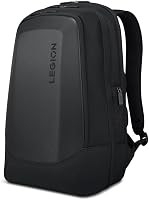
A backpack may suit you better if you walk a long distance, use crowded transit, or carry a heavy load. Two shoulder straps can distribute weight across both shoulders, while a briefcase is usually carried in one hand or from one shoulder.
The best choice depends on how you move through the day. A briefcase is easy to set down and open beside a meeting table, while a backpack may leave your hands free and feel more balanced during a long walk.
Compare the trade-offs in our backpack vs briefcase guide. If you want a case with a slimmer leather profile, the best Briggs & Riley briefcases guide can help you compare another brand's styles.
The Samsonite Leather Slim Briefcase is made of genuine leather and has front pocket organization, a padded removable shoulder strap, and a SmartPocket for upright luggage handles. Its dimensions are 15.75 x 11.6 x 2.5 in, giving it a narrower profile than the expandable Samsonite case above.
A slim case is a practical option if your daily load is mostly a laptop and a few papers. If you carry extra files, a charger, or bulky accessories, check the available space before deciding.
How do you choose a briefcase for everyday use?
Start with what you carry and how you travel. Match the laptop compartment to your device, then check whether the case has room for documents, a charger, and the small items you bring each day.
Consider these points before you choose:
- Carry style: Choose handles for short trips between a car and office, or a shoulder strap if you walk more.
- Shape: A structured case keeps its form; a soft case may pack more easily.
- Capacity: Check the dimensions and compartments against your laptop and papers.
- Commute: A trolley strap helps if you often travel with a roller bag.
- Dress and setting: Leather and a firm shape can suit formal meetings; a slim fabric laptop case may feel more casual.
The case's construction affects how it carries its contents and holds its shape. You can compare options in what makes a briefcase structured or unstructured, then choose the style that matches your routine.
Are briefcases still worth carrying?
Choose a briefcase if you want an organized, professional way to carry a laptop and work papers. Pick a slim model for a lighter daily load, an expandable design for extra files, or a backpack if your commute makes two-shoulder carry more comfortable.
A briefcase isn't required for modern office work, but it remains a useful option when its shape and carry style fit your day. Compare the case dimensions and compartments with your actual load before choosing.
Frequently asked questions
Do people still carry briefcases to work?
Yes, people still carry briefcases to work when they need to organize papers, a laptop, and smaller work items in a case that looks at home in a formal office. They are less useful when your commute involves long walks, stairs, or carrying other gear that is easier to manage in a backpack.
Are briefcases outdated?
No, briefcases are still practical for many office routines, though their shape and materials have changed. Slim laptop cases and shoulder-carry styles fit modern commutes, while traditional structured cases remain useful for meetings and paper files.
Should I choose a briefcase or backpack for work?
Choose a briefcase if you carry a laptop or papers and prefer a structured, professional look with hand or shoulder carry. A backpack may suit longer walks, crowded transit, or heavier loads because its two shoulder straps spread the weight across both shoulders.
What should I carry in a modern briefcase?
A modern briefcase can hold a laptop, charger, documents, notebook, and daily small items, depending on its compartments and dimensions. Check the laptop compartment size and the case's depth against what you carry, since slim designs may not leave much room for bulky extras.