How to Wax a Canvas Bag
To wax a canvas bag, clean and fully dry the canvas, warm the wax, and rub it on in thin, even layers. Let the bag cool, add a second layer if needed, then cure it flat for 24 hours before use.
On this page (11 sections)
- What supplies do you need to wax a canvas bag?
- How do you clean a canvas bag before waxing?
- How do you warm and apply wax evenly?
- How many layers of wax does canvas need?
- How do you cure a freshly waxed bag?
- Which canvas bags suit waxing best?
- How do you wax a canvas bag with leather trim?
- How often should you reapply wax?
- What mistakes should you avoid when waxing canvas?
- How can you check if waxing worked?
- Bottom line: how to wax a canvas bag and keep it working
To wax a canvas bag, clean it, dry it fully, warm the wax until it spreads, and build thin layers. That order is the core of how to wax a canvas bag for better water resistance.
You need only a bar of wax, a cloth, and patience.
Wax does not make canvas fully waterproof. It fills fibers so rain beads and light splashes roll off.
A good coat also deepens color and adds slight stiffness.
What supplies do you need to wax a canvas bag?
You need canvas wax, a soft cloth, a brush, and a clean work space. A hair dryer helps but is optional.
Mild soap and water are useful for dirty bags.
Choose wax made for canvas, not a candle or furniture polish. Beeswax blends for fabric melt safely and soak in without a greasy film.
Solid bars give more control than soft tins.
Work on a covered table and empty the bag first. Wax can darken fabric, so protect surfaces.
Crumbs in pockets can print through the wax.
The GOOTIUM Canvas Messenger Bag uses high-density canvas with a garment-washed finish. It weighs 1.1 lb and fits an iPad up to 9.7 inch, plus A4 folders, textbooks, and magazines.
Its reinforced stitching means you should keep the brush moving at seams.
How do you clean a canvas bag before waxing?
Wax sticks best to clean, dry canvas. Brush off dust and shake out crumbs before you start.
Dirt trapped under wax leaves dull spots.
Spot clean with lukewarm water and a little mild soap. Wipe panels with a wrung-out cloth, then rinse with a clean damp cloth so soap does not stay in the weave.
Do not soak the whole bag unless the maker allows it. Soaking can fade color, shrink trim, and leave rings.
Spot cleaning protects shape and prepares only needed areas.
Let the bag air dry fully. Dampness under wax traps moisture and slows curing.
A distant fan is fine.
How do you warm and apply wax evenly?
Warm the wax, then rub it in thin layers. Rub the bar on a cloth or spread softened wax with a brush.
Thin layers soak in better than one thick lump.
Warm wax gently with a hair dryer on low, or rub it on cloth until it softens. Keep heat gentle, because direct heat can scorch canvas or loosen stitching glue.
Work in small sections with the weave. Even darkening shows soaked areas.
Pale patches need more wax. Shiny thick spots need a light pass with a clean cloth.
Focus on folds, corners, and flap edges. Those spots collect rain and wear first.
A small brush reaches seams without coating zippers or buckles.
How many layers of wax does canvas need?
Two thin layers work for most bags. One layer refreshes dry canvas.
A second improves beading in worn areas.
Let the first layer cool before adding more.
Rest the bag 10 to 15 minutes after the first pass. Check elbows, bottom corners, and flap edges for pale spots.
Add wax only where needed.
A third light layer may help if water still soaks in. Stop when the surface looks even and feels slightly tacky, not wet.
Thick wax stiffens canvas, attracts lint, and cracks at folds.
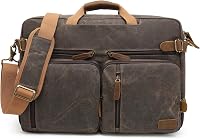
The Sechunk Vintage Military Leather Canvas Laptop Bag mixes cotton canvas with first layer leather and bronze metal. It has six pockets, including one main pocket, two front pockets, a zippered back pocket, and an inside zipper pocket.
With 10L capacity and a stated 15 inch laptop fit, it is a larger carry.
Wax only the cotton canvas on that bag. Keep wax off leather trim, bronze metal, and the thick shoulder strap, or wipe it off at once.
How do you cure a freshly waxed bag?
Let the bag cure flat for 24 hours. Curing lets wax harden and bond with fibers.
Hanging by the strap can crease wet wax.
Lay the bag on a clean towel in a ventilated room. Keep it away from direct sun, heaters, and hot surfaces.
Gentle room warmth is enough.
A hair dryer on low can help wax soak in. Hold it 8 to 12 inches away and keep it moving.
Stop when wax looks evenly absorbed.
After curing, flex the bag gently and check folds for cracks. If a fold shows pale lines, add a little wax and cure again.
Canvas should feel supple, not stiff.
Which canvas bags suit waxing best?
Plain cotton canvas suits waxing best. Tightly woven canvas takes wax well and shows even darkening.
Coated canvas, synthetics, and leather need different care.
A messenger bag in plain canvas is a good candidate because broad panels are easy to reach. Small bags coat faster.
Larger bags need more time and surface space. Check seams and corners first.
Our best canvas messenger bag guide can help you compare shapes. Simple panels and few leather parts make refreshing easier each season.
Test a hidden spot if a bag already has a factory coating.
The Komal's Passion Leather bag is full grain leather lined with durable canvas. It measures 11 inches high by 9 inches wide by 3.5 inches deep and weighs 1.9 lb.
It has one big front pocket and two zipper compartments, including one back zipper.
This bag is not a canvas waxing candidate, because its main body is leather. Leather needs conditioner made for leather, not canvas wax.
Wax can darken leather unevenly and leave a dull film.
How do you wax a canvas bag with leather trim?
Mask leather trim, then wax only the canvas. Painter's tape protects straps, corners, and labels.
Remove tape slowly so it does not pull stitching.
Use a small brush near trim instead of a cloth. Brushes give control around buckles, rivets, and zipper teeth.
Wipe stray wax from metal right away.
If wax lands on leather, let it cool, then buff gently with a clean cloth. Do not use heat on leather unless the wax maker says it suits leather.
When in doubt, keep wax on canvas only.
Read the messenger bag buying guide if you are choosing a replacement. Mixed materials look rugged, but they add care steps.
A mostly canvas bag is simpler to wax and repair.
How often should you reapply wax?
Reapply wax when water stops beading. Dry, faded, or patchy canvas is another sign.
Daily use in rain needs wax more often than occasional dry use.
Flick a few drops of water onto a panel to test. If water beads and rolls off, the coat still works.
If it darkens canvas at once, wax has worn thin.
Clean the bag before each new coat. Old wax plus new wax looks blotchy if dirt sits between layers.
Light cleaning and full drying give a clean base.
Store waxed bags dry and away from direct sun. Damp storage can invite mildew, even with a wax coat.
What mistakes should you avoid when waxing canvas?
Avoid thick coats, dirty fabric, and rushed drying. Thick wax stiffens canvas and cracks at folds.
Dirty fabric traps grit and leaves pale spots.
Damp canvas under wax holds moisture.
Do not use a heat gun or very hot hair dryer setting. High heat can scorch canvas, melt synthetic stitching, and damage leather trim.
Keep heat low, moving, and brief.
Do not wax nylon, polyester, or already coated fabric without checking the wax maker. Those materials may repel wax or stain unevenly.
The same caution applies to suede, nubuck, and printed canvas.
Do not skip the cure time. Handling too soon smudges wax onto hands, clothes, and paper.
A flat 24 hour rest lets the coat harden.
How can you check if waxing worked?
Check beading, color, and flexibility after curing. Water should bead and roll off with a shake.
Canvas should look even, with no pale dry patches.
Flex the flap and bottom corners. Good waxing feels slightly firm but bends without cracking.
If folds crack, the coat may be too thick.
Test a hidden area with a few drops of water before a rainy day. If water soaks in, add a thin layer there and cure again.
Small tests save you from finding a weak patch on the way to work.
For a smaller carry, see best small canvas messenger bags. For more room, see the best large canvas messenger bag guide.
For a lighter style, see the best canvas messenger bag for women. Check trim and lining first, since some styles add suede or coated panels.
If you are torn between carry styles, our messenger bag vs backpack guide explains the trade-offs. A messenger bag gives fast flap access, while a backpack spreads weight across both shoulders.
Waxing steps are the same for canvas on either style.
If you own a specific model, check Timbuk2 Classic Messenger sizes before buying wax. Smaller sizes need less wax and drying space.
For a style check, read is the Kelly messenger bag for men.
Bottom line: how to wax a canvas bag and keep it working
To wax a canvas bag well, clean, dry, warm, layer thin, and cure flat. That method refreshes water resistance without stiffening fabric.
Two thin layers suit most bags, with extra attention to seams, corners, and flap edges.
Pick plain cotton canvas for easy upkeep. Keep wax off leather trim, test hidden spots, and reapply when water stops beading.
A 24 hour cure is the step most people rush, and it matters.
With steady care, waxed canvas can handle light rain and daily wear for years. It will not replace a waterproof shell in a downpour, but it keeps splashes and drizzle from soaking in fast.
Frequently asked questions
What wax should I use for a canvas bag?
Use a bar of canvas wax made for fabric, usually a beeswax blend, rather than floor wax or shoe polish. Look for a product meant for tents, jackets, or bags, and test a small hidden area first.
The right wax melts smooth, spreads thin, and darkens canvas evenly.
How often should I wax a canvas bag?
Reapply wax when water stops beading or when the canvas looks dry, faded, or patchy. Bakers often need a fresh coat every few months, while an occasional carry may last much longer.
Heavy rain and frequent washing shorten the life of any coat.
Can I wax a bag with leather trim?
Yes, but keep wax off leather trim unless the wax maker says it suits leather. Mask trim with tape, or apply wax only to canvas panels with a small brush for control.
Wipe stray wax from hardware right away.
Do I need to heat waxed canvas after applying it?
Heat helps wax soak in, but it is not required for every bag. A hair dryer on low, held well back, can warm panels so the wax spreads more evenly.
Keep heat moving and stop if canvas feels hot to the touch.